
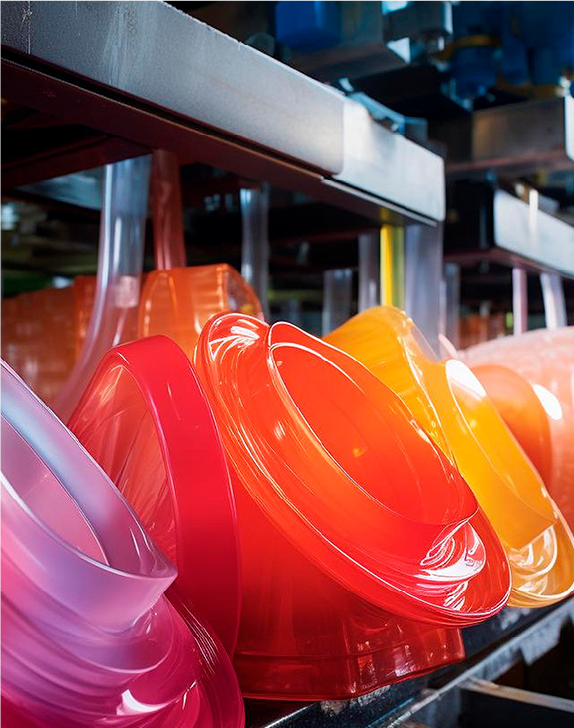

Within polyester and PET production systems, Monoethylene Glycol supports environments that require uniformity across high volume cycles. Its integration contributes to controlled process conditions and consistent material behavior throughout extended production runs.
For resin and fiber manufacturers, maintaining alignment between raw material input and performance expectations remains essential. MEG reinforces structured process conditions, helping operations preserve internal standards across ongoing manufacturing programs.
Get Your Answers
In heat transfer fluids, antifreeze systems, and industrial cooling environments, Monoethylene Glycol contributes to stable system performance within controlled operating frameworks. Its presence supports consistent system behavior and helps reduce variability that may affect performance benchmarks.
In sectors such as automotive and industrial processing, MEG becomes part of long term production strategies where material predictability supports planning discipline and sustained performance alignment. The emphasis is not on short term function, but on structured operational continuity.
Across multiple industrial sectors, Monoethylene Glycol contributes to:
- Process predictability within established systems
- Consistency across repeated production cycles
- Alignment between material input and performance expectations
- Structured planning within long term manufacturing programs
- In industries where scale and operational discipline define competitiveness, the stability of core materials influences more than production metrics. It strengthens operational confidence.
- General commercial and quality documentation, including SDS and COA when required, is available to support internal evaluation.